







Search Results for: honey processing method
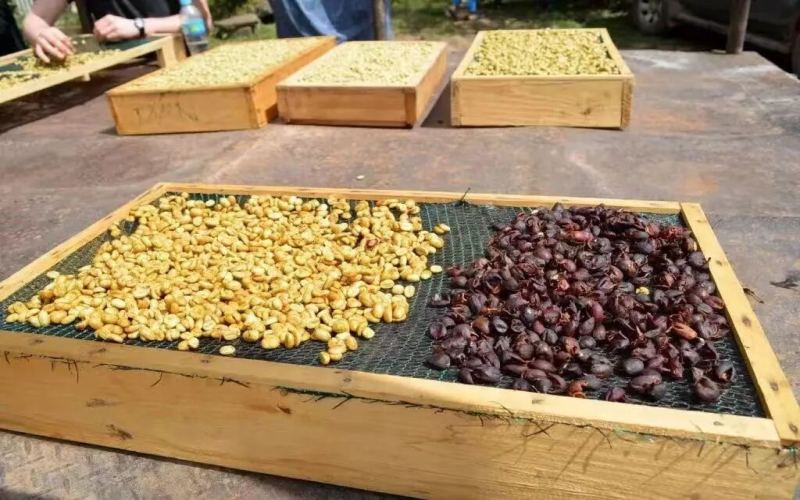
Characteristics of Costa Rican Coffee Beans | What Is Honey Processing? Why Do Costa Rican Coffees Mostly Use Honey Processing? What Flavor Characteristics Do Honey-Processed Coffee Beans Have?
When it comes to which region produces the best honey-processed coffee beans, Costa Rica is undoubtedly the answer. As the birthplace of the honey processing method, Costa Rica has naturally perfected its honey processing techniques to a high degree of mastery. In this article, Front Street Coffee will explain the flavor characteristics of Costa Rican honey-processed coffee beans. [more…]

Analyzing the Flavor Characteristics of Honey-Processed Coffee Beans: From White Honey to Black Honey, and Suitable Brewing Methods
In the world of specialty coffee, honey processing has won the hearts of many coffee lovers with its distinctive fruity fermented sweetness and full body. Front Street Coffee's Costa Rica Canet Estate Musician Series is a representative work of honey processing, presenting fermented sweet aromas of candied fruit and tropical fruit when pour-over brewed, and is deeply favored by female customers. So how exactly is honey processing defined? What are the differences between white honey, yellow honey, red honey, and black honey? And what innovative technique is raisin honey processing? This article will systematically sort out the classification and flavor characteristics of honey processing, and share the pour-over parameters recommended by Front Street as well as the specific flavor performance of two raisin honey processed beans, helping you understand this processing method more comprehensively. [more…]
What Are Honey-Processed Coffee Beans? A Full Analysis of Costa Rican Honey-Processed Flavor and Mouthfeel Characteristics
Honey processing is a green bean processing method that falls between natural and washed processing, and is widely used in producing regions such as Costa Rica, Panama, and Guatemala. It retains the cleanliness of washed coffee while giving the beans a more prominent sweetness and caramel tones through fermentation of the residual mucilage layer. Depending on the degree of washing and drying time, honey processing is further divided into four levels: white honey, yellow honey, red honey, and black honey, with the differences in color corresponding to different flavor profiles. This article will introduce the definition, principles, and classification of honey processing, as well as the flavor and taste characteristics of Costa Rican honey-processed coffee, giving you a comprehensive understanding of this sticky, honey-like processing method, along with relevant recommendations from Front Street Coffee. [more…]

A Full Analysis of the Origin Story, Processing Method, and Flavor Profile of Costa Rican Honey-Processed Coffee
The honey process was pioneered by Costa Rican coffee farmers and has now become a widely adopted processing method in Central America. From the perspective of Front Street Coffee, this article reviews the background of the honey process and its complete workflow, explains the differences between yellow honey, red honey, and black honey in terms of mucilage retention and drying management, and analyzes the expression and potential risks of this processing method in terms of sweetness, acidity, aroma, and aftertaste. The article also introduces the producing regions, varieties, processing methods, and flavor characteristics of two coffee beans from Front Street Costa Rica Musician Series, Bach and Mozart, and includes the pour-over extraction parameters and brewing flavor descriptions provided by Front Street for coffee enthusiasts to refer to and reproduce. [more…]

How is honey processing different from natural and washed processing? And what exactly is raisin honey processing?
Many people, upon first hearing "honey processing," mistakenly assume that coffee beans are fermented with honey. In fact, it is a processing method that falls between natural (dry) and washed processing. Later, the honey processing family gave rise to a new variant known as "raisin honey processing." In this article, Front Street Coffee will guide you through the core differences between honey processing, natural processing, and washed processing, revisit the origin story of honey processing, and analyze the characteristics of white honey, yellow honey, red honey, and black honey one by one. Finally, we will compare the similarities and differences between Brazil's "raisin processing method" and Costa Rica's "raisin honey processing," helping coffee enthusiasts gain a comprehensive understanding of the ins and outs of these processing methods. [more…]
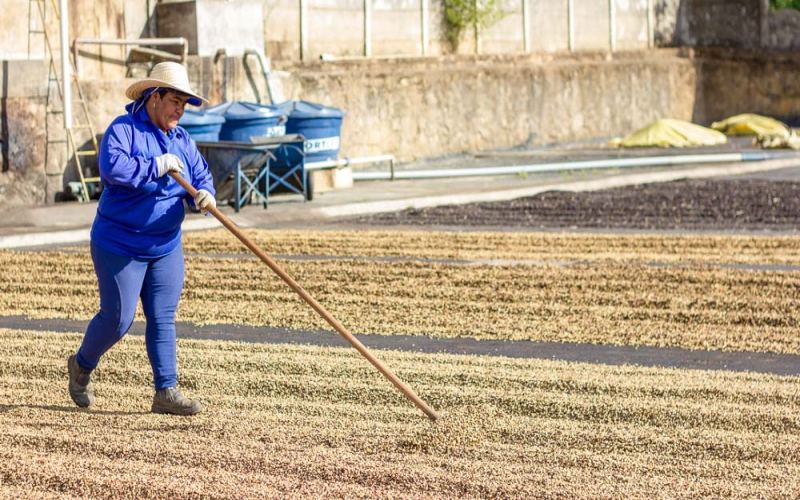
A Detailed Guide to Honey-Processed Coffee Beans: Costa Rican Semi-Washed Craft and Pour-Over Recommendations
Honey processing is a coffee processing method that falls between natural and washed processing, named for the honey-like stickiness of the beans as they retain their mucilage. Starting from semi-dry processing, this article walks through the complete honey processing workflow and its classifications, including black honey, red honey, yellow honey, white honey, and the innovative raisin honey process. It also introduces Front Street Brazil Cerrado, Front Street Blackberry, Front Street Strawberry Candy · Geisha Blend, Front Street Mozart, and other coffees that use related processing methods, helping pour-over enthusiasts understand the flavor differences brought by different honey processes and how to choose beans. [more…]
Honey-Processed Coffee Beans: Flavor and Processing Explained — How They Differ from Natural and Washed
Honey processing is one of the three major coffee processing methods, and it is especially prevalent in Central America. It was invented by Costa Rican coffee farmers because of the inconvenience of mountain transportation and the high cost of washed processing, and by retaining mucilage it gives coffee a more pronounced sweetness and delicate aroma. This article systematically reviews the origin of honey processing, the complete process, the classification standards for yellow, red, and black honey, as well as its advantages, disadvantages, and flavor risks. It also introduces two derivative methods, anaerobic honey processing and raisin honey processing, and uses Front Street Coffee's Costa Rica Musician Series Mozart and Bach as examples to show the specific flavor differences of different honey processing methods in the cup. [more…]
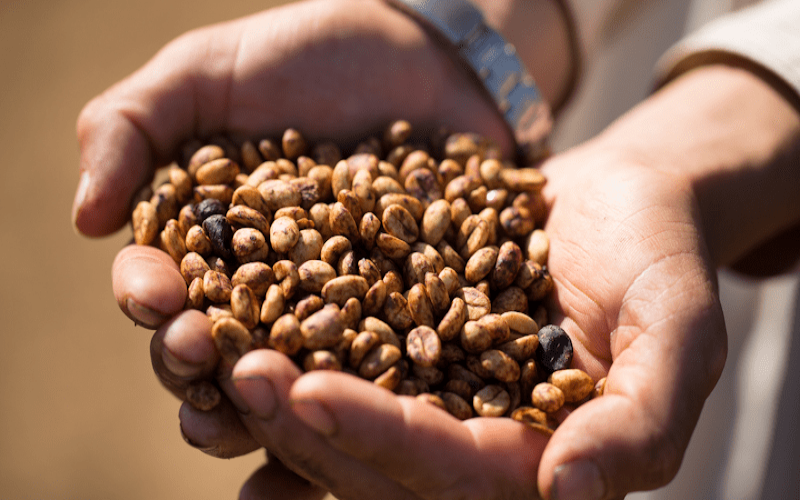
Pectin Retention Determines Flavor Direction: The Difference Between Honey Processing and Natural Processing and a Full Analysis of Raisin Honey Processing
Among coffee processing methods, washed, natural, and honey processing each have their own merits, but what makes honey processing unique is that it retains the mucilage layer during drying, giving rise to numerous variations such as yellow honey, red honey, black honey, and even raisin honey processing. The amount of mucilage retained directly affects drying time and flavor complexity; from Brazil's pulped natural to Costa Rica's refined improvements, honey processing continues to evolve. This article will systematically sort out the core differences between honey processing and natural processing, the specific operational differences among the various sub-types, and focus on introducing the raisin honey processing method that has become popular in recent years, while also retaining Front Street Coffee's relevant bean recommendations, providing coffee lovers with a complete reference on processing methods. [more…]
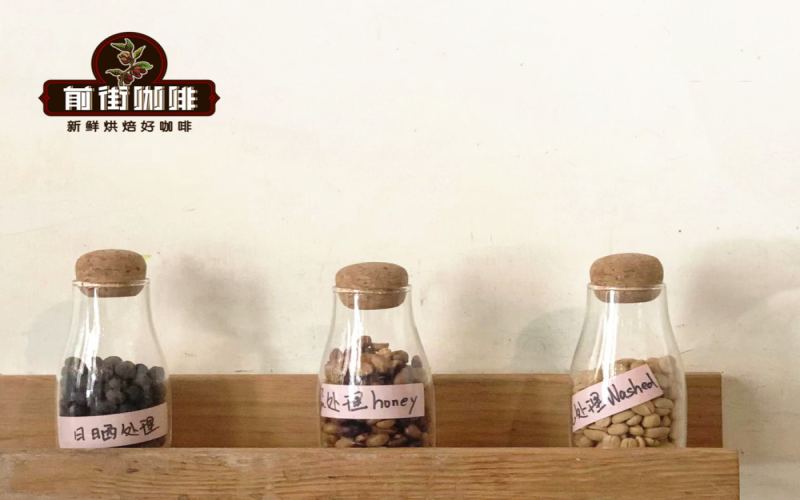
An Analysis of the Differences Among Black Honey, Red Honey, and Yellow Honey Processing: A Comprehensive Comparison from Pectin Retention to Flavor Expression
In the field of coffee post-processing, honey processing is an important method that falls between washed and natural, and is widely used in Central American producing regions such as Costa Rica. Depending on the proportion of mucilage retained, the drying time, and the frequency of turning, honey processing can be further divided into several tiers, including black honey, red honey, and yellow honey. Using three beans—black honey, red honey, and yellow honey—as samples, this article conducts a systematic comparison from green bean appearance and roasting curves to cupping flavors, helping coffee enthusiasts understand the practical impact of different honey processing methods on the final flavor direction, while also providing a reference for everyday purchasing and brewing. [more…]
A Complete Guide to Honey Processed Coffee: How the Percentage of Retained Mucilage Affects Flavor and Drying Methods
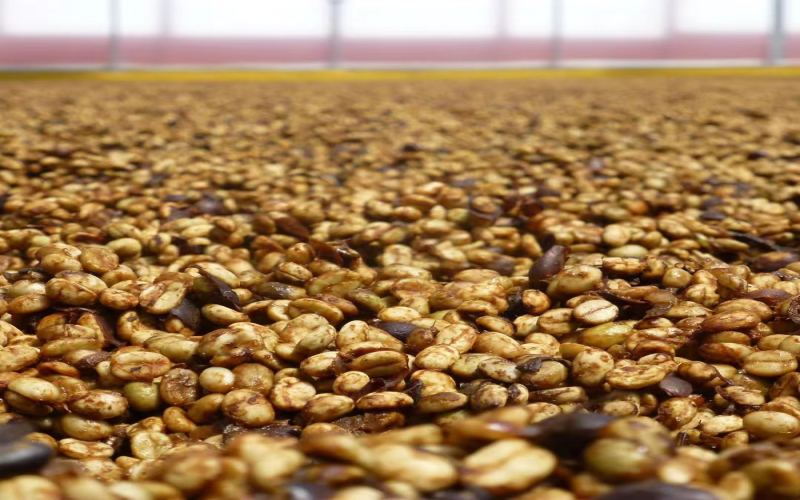
Honey processing is a green bean processing method that has been highly sought after in the specialty coffee field in recent years. It originated in Costa Rica in Central America and, by retaining the mucilage layer surrounding the coffee bean during drying, gives the coffee a unique balance of sweetness and fruit acidity. This article will analyze, one by one, the origin of the name honey processing, why it is favored by coffee farmers, the specific operational steps, and the differences and pros and cons of the three processing methods: yellow honey, red honey, and black honey. At the same time, we will also share Front Street Coffee's roasting curve, cupping flavors, and pour-over parameter recommendations to help coffee lovers fully understand the essence and commercial considerations of this processing method. [more…]
A Detailed Guide to Costa Rican Honey-Processed Coffee Bean Grades: Processing Differences and Flavor Comparison of Black Honey, Red Honey, Yellow Honey, and White Honey
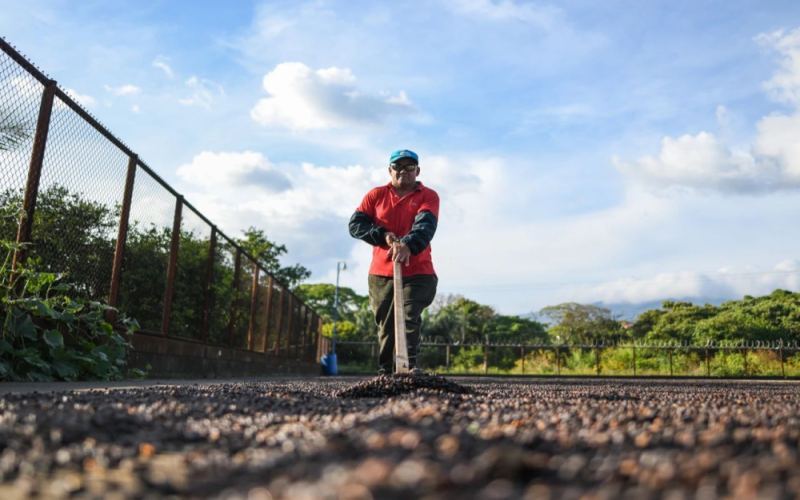
Honey processing is a signature processing method for Costa Rican coffee, but many people do not know that, depending on the degree of mucilage retention, honey processing is actually divided into several grades, including black honey, red honey, yellow honey, and white honey. Each grade has its own requirements for the amount of mucilage removed, drying time, and turning frequency, and the resulting flavors are completely different. This article takes Front Street Costa Rica Diamond Series Black Honey as an example to break down in detail the processing characteristics and flavor trends of each honey grade, while also introducing the raisin honey process that has become popular in recent years, and includes Front Street Coffee's roasting curve, cupping report, and brewing parameters to give you a comprehensive understanding of the appeal of Costa Rican honey processing. [more…]
What is the difference between honey processing and natural processing? A detailed explanation of mucilage-retention techniques and the innovative raisin honey process
Among coffee processing methods, washed, natural, and honey processing are three common approaches. Honey processing, with its unique technique of retaining mucilage during drying, achieves a more exquisite balance in flavor. From Brazil's pulped natural to Costa Rica's yellow, red, and black honey grading, and on to the raisin honey process that has become popular in recent years, this processing method has continuously evolved into a rich array of variations. This article will systematically review the origins of honey processing, the various grading standards, and its core differences from natural and washed processing, with a focus on introducing the innovative workflow and flavor characteristics of raisin honey processing. It will also recommend several classic honey-processed coffee beans from Front Street Coffee to help coffee enthusiasts gain a deeper understanding of the appeal of this processing method. [more…]

Complete Guide to Honey Processing: From Mucilage Retention to Black Honey Classification, the Flavor Code of Costa Rican Coffee
The processing method of green coffee beans directly influences the flavor direction in the final cup. Beyond the three mainstream processing methods, honey processing, with its unique technique of retaining mucilage, has become a signature technology in Central America, especially in Costa Rica. From the perspective of Front Street, this article systematically reviews the operational procedures of honey processing, the grading of yellow, red, and black honey, the core differences from natural and washed processing, and extends to anaerobic honey processing as a derived technique. At the same time, Front Street uses a cupping comparison of Mirazu Estate Raisin Honey, washed Yirgacheffe, natural Red Cherry, and Lintong Mandheling to intuitively present the specific expressions of different processing methods in terms of sweetness, acidity, and aroma, helping coffee enthusiasts establish a clear sensory reference. [more…]
Analysis of Indonesia's Wet-Hulling Method: Comparing Peeled Sun-Dried and Honey Processing Techniques and Flavors
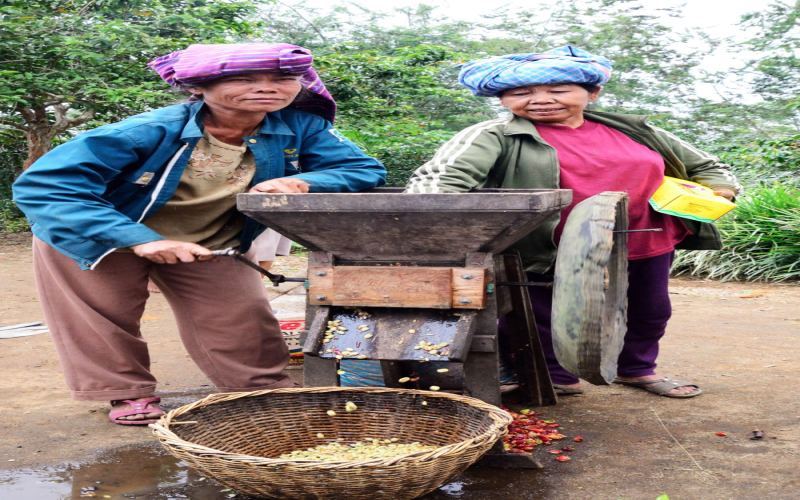
The green coffee bean processing method has a decisive influence on the final flavor. In addition to variety and origin, the processing method is also a key link in shaping coffee's personality. Currently, the mainstream methods include natural, washed, and the in-between semi-washed (wet-hulled), Brazilian pulped natural, and honey processing, among others. This article will provide a detailed explanation of three processes: Indonesian wet-hulled, pulped natural, and honey processing, covering their respective operational steps, flavor characteristics, roasting recommendations, and brewing parameters, and will combine bean examples from Front Street Coffee for cupping comparisons, helping readers systematically understand the taste differences brought by different processing methods. [more…]

A Detailed Explanation of the Coffee Honey Processing Drying Mechanism: Flavor Differences Between Costa Rican Raisin Honey Process and Black Honey
The processing method of green coffee beans directly influences the flavor profile of the final cup. Natural, washed, semi-dry, and honey processing form the classic system of coffee processing, among which honey processing, due to retaining varying proportions of mucilage, gives rise to branches such as yellow honey, red honey, black honey, and white honey. Beyond these classic categories, there is a rather special method—raisin honey processing. Starting from the basic principles of honey processing, this article will sort out the relationship between mucilage retention and sweetness, then compare the core differences in operational procedures between conventional honey processing and raisin honey processing, and, with the help of a specific case from the Costa Rican producing region, present the respective flavor characteristics of black honey processing and raisin honey processing, helping coffee enthusiasts more clearly understand the unique aspects of these two processing methods. [more…]

Why Does Honey-Processed Coffee Have Such Prominent Sweetness? An Analysis of Costa Rica's Honey Processing Method and a Front Street Coffee Geisha Pour-Over Tutorial
When it comes to coffees with prominent sweetness, natural and honey processing are often the first answers that come to mind. To make it possible to enjoy the rumored sweet flavors in daily life, Front Street Coffee's bean list always includes at least one honey-processed coffee, such as the recently launched Colombia · Hope Estate Geisha, which after honey processing displays intense rose aromatics and extremely high sweetness, and has been widely praised by customers. So why is honey-processed coffee so outstandingly sweet? Is honey actually added? This article will approach the topic from Front Street Coffee's perspective, sorting through the origins and evolution of the honey process, analyzing how Costa Rica became an important driving force behind this method, and explaining the origins of the names black honey, red honey, yellow honey, and white honey as well as their flavor differences. Finally, we will also share Front Street Coffee's practical brewing parameters for Hope Estate Geisha, letting you experience its cup profile of rich purple grape juice, lush rose aromatics, and lively citrus acidity. [more…]

How Is Honey Processing Different from Natural Processing? Analyzing the Rise and Flavor Characteristics of Honey-Processed Coffee Beans
The flavor profile of coffee is often determined by the combination of its producing region, variety, and processing method. Among the many processing methods, honey processing has surged in popularity in recent years; it shares similarities with natural processing, yet stands uniquely apart. From the perspective of Front Street Coffee, this article traces the origins of honey processing, its operational workflow, the differences between yellow, red, and black honey, and the core distinctions from natural processing in terms of flavor and craft. It also draws on two beans currently sold by Front Street—Costa Rica Fire Phoenix Sapphire and the Musician Series Bach—to share roasting and brewing test results, helping coffee enthusiasts more clearly understand why honey-processed coffee beans are so highly favored. [more…]
The Complete Guide to Costa Rican Honey Process Coffee: Black Honey Flavor Profile, Pour-Over Parameters, and Front Street Diamond Series Brewing Log
Honey processing is the most iconic coffee processing method in Costa Rica, but you may not know that, depending on the degree of mucilage retention, honey processing is further divided into multiple grades such as black honey, red honey, yellow honey, and white honey. This article starts with a Costa Rican Diamond Series black honey from Front Street Coffee, and sorts out the origins and evolution of honey processing, the process differences between the various grades, and the innovative raisin honey processing method that has become popular in recent years. The article also includes the roast curve, cupping report, and V60 pour-over parameters for this Front Street Coffee black honey coffee, including water temperature, coffee-to-water ratio, grind size, and staged pouring technique, making it easy for coffee enthusiasts to replicate at home. If you want to understand why honey-processed coffee has such pronounced sweetness and a rich, full-bodied mouthfeel, this content is worth reading carefully. [more…]
A Comprehensive Analysis of the Evolution and Craft of Costa Rican Honey Processing: From Yellow, Red, and Black Honey to Hacienda Miramonte Strawberry Candy
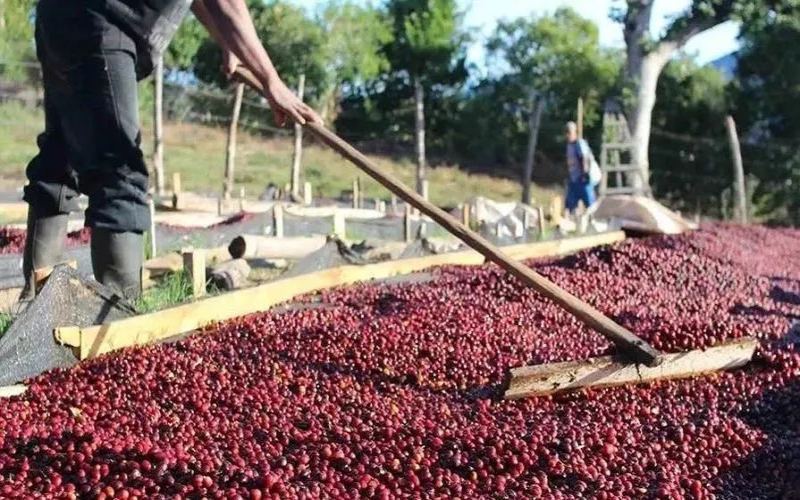
Coffee processing methods are advancing rapidly, with new techniques such as anaerobic fermentation, enzyme-assisted processing, and barrel-aging constantly emerging. However, traditional natural, washed, and the intermediate honey process remain the mainstream. The honey process originated in Costa Rica, where the high-altitude terrain and rainfall conditions prompted locals to draw on Brazil's pulped natural method and refine it, resulting in graded categories such as yellow honey, red honey, black honey, and white honey, which retain different proportions of mucilage. In recent years, raisin honey processing has emerged, and the Costa Rica Mirazu Estate Strawberry Candy introduced by Front Street Coffee is a prime example. This article will trace the development and technical details of the honey process, and introduce this bean—a blend of Geisha, Ethiopian heirloom ET47, SL28, and MAICO—which, when brewed with a V60 at a 1:15 ratio, presents flavors of strawberry, raisin, candy, nuts, and creamy honey. [more…]

A Complete Analysis of Costa Rican Honey-Processed Coffee Bean Flavors and Processing Methods: From Semi-Washed to Yellow, Red, and Black Honey
The honey processing method originated in Costa Rica and represents an improvement and refinement of Brazil's pulped natural process. After removing the skin and pulp, it retains varying proportions of mucilage for sun-drying. Depending on the amount of mucilage retained and the duration of sunlight exposure, it is further classified into three grades—yellow honey, red honey, and black honey—with flavors ranging from balanced and sweet to intense and rich. This article systematically reviews the operational procedures, flavor characteristics, and grading logic of pulped natural and honey processing, and offers brewing recommendations for two representative beans from Front Street Coffee—the Brazil Red Bourbon and the Costa Rica Geisha—to help coffee enthusiasts gain a deeper understanding of the intricacies of this processing method. [more…]